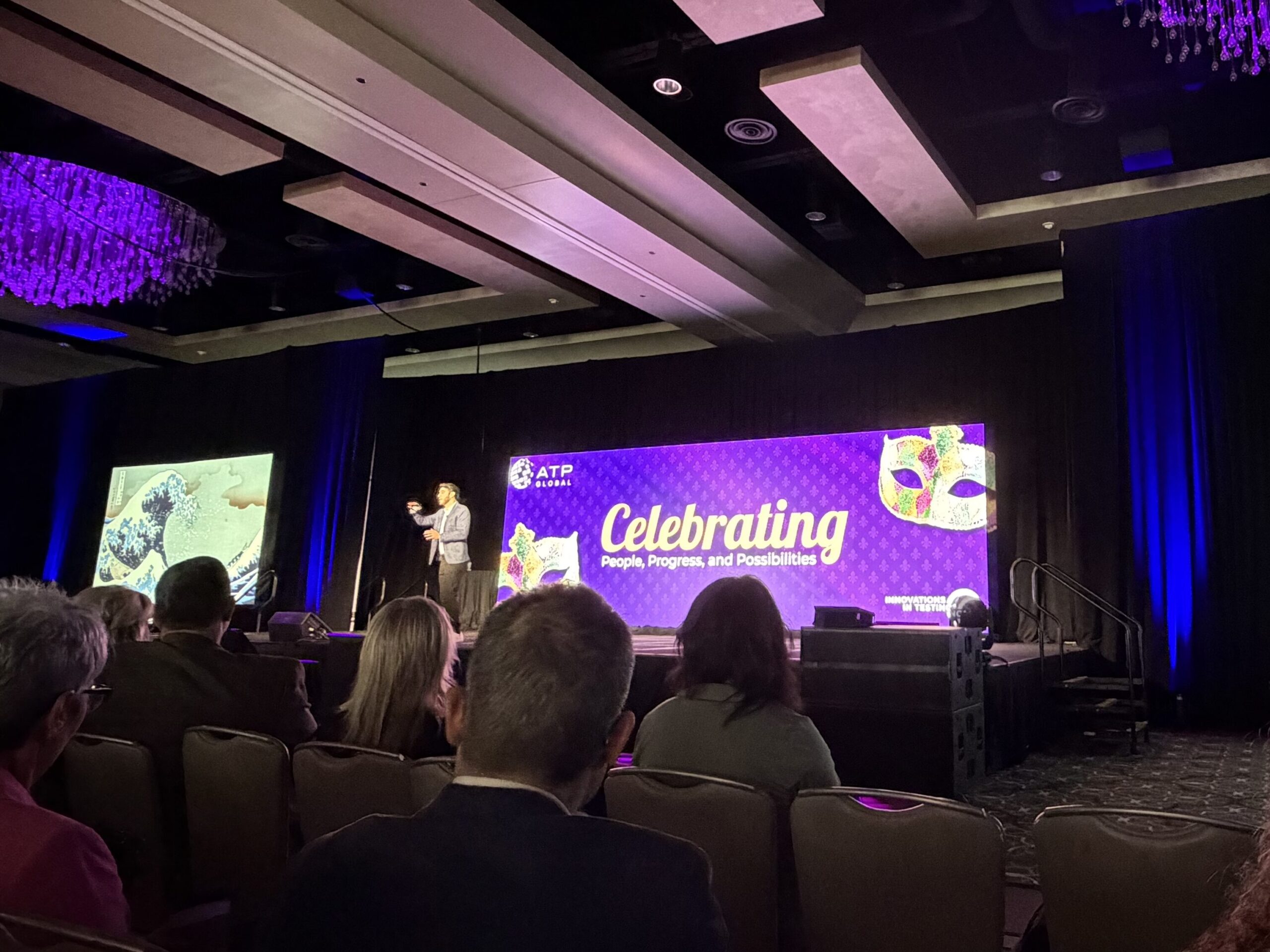
The Association of Test Publishers (ATP) Conference brings together leaders across the assessment industry to share ideas, research, and practical strategies shaping the future of testing and credentialing. This year, Nicole Pope, Director of Certification Operations & Engagement at NBHWC, attended the conference in New Orleans to connect with industry peers and explore emerging trends impacting certification programs. From conversations about AI to operational innovation, the event highlighted both the complexity and opportunity within modern assessment programs.
The Evolving Landscape of Assessment
One of the central themes throughout the conference was the pace of change within the assessment industry. As technology continues to evolve, testing organizations are exploring new tools and methods that can improve efficiency while maintaining the reliability and credibility of their exams.
Artificial intelligence was a frequent topic across sessions, particularly in conversations about item development, exam delivery, and operational workflows. Many organizations are beginning to explore how AI might support parts of the assessment lifecycle, such as generating draft test questions or assisting with data analysis. However, speakers consistently emphasized that these tools should enhance, not replace, the expertise of professionals responsible for maintaining exam quality.
High-stakes certification exams require careful design, expert review, and strong psychometric practices. While emerging technologies may help streamline certain processes, human oversight remains essential to ensure that assessments measure the knowledge and competencies they are intended to evaluate.
Discussions also highlighted the growing importance of maintaining exam security and public trust in a digital testing environment. As more assessments are delivered through online platforms or remote testing options, organizations must continue strengthening processes that protect exam integrity while ensuring accessibility for candidates.
For certification programs like NBHWC’s board exam, these conversations reinforced an important principle: innovation should support the mission of credentialing programs while upholding the rigorous standards that protect the value of certification.
Operational Excellence Across the Assessment Lifecycle
In addition to technology-focused conversations, the conference also highlighted the operational complexity behind successful assessment programs. While candidates typically experience only the exam itself, significant coordination happens behind the scenes to ensure the entire process runs smoothly.
Sessions explored how organizations manage the many components of an assessment program, from exam development and psychometrics to candidate support and exam administration. As programs grow, these functions often span multiple teams and systems, creating operational challenges if processes are not aligned.
Many organizations are now focusing on improving cross-departmental coordination and evaluating opportunities to standardize systems and workflows. Greater alignment across teams can improve efficiency, reduce administrative challenges, and create a more seamless experience for candidates.
For professionals responsible for certification operations, these discussions underscored the importance of quality management across the entire assessment lifecycle. Strong processes not only support internal efficiency but also help ensure that certification programs remain fair, consistent, and trustworthy.
Another valuable aspect of the ATP Conference was the opportunity to connect with professionals across the testing and credentialing community. Assessment professionals often work within highly specialized environments, and industry gatherings provide an important opportunity to step outside individual organizations and share ideas.
Conversations with colleagues from credentialing bodies, testing vendors, and psychometric organizations revealed many shared challenges. Questions about how to responsibly adopt new technologies, strengthen exam security, and improve the candidate experience are being explored across the industry.
These discussions reinforced the value of collaboration within the assessment community. By sharing lessons learned and innovative approaches, organizations can strengthen their programs while upholding the standards that protect the credibility of professional certification.