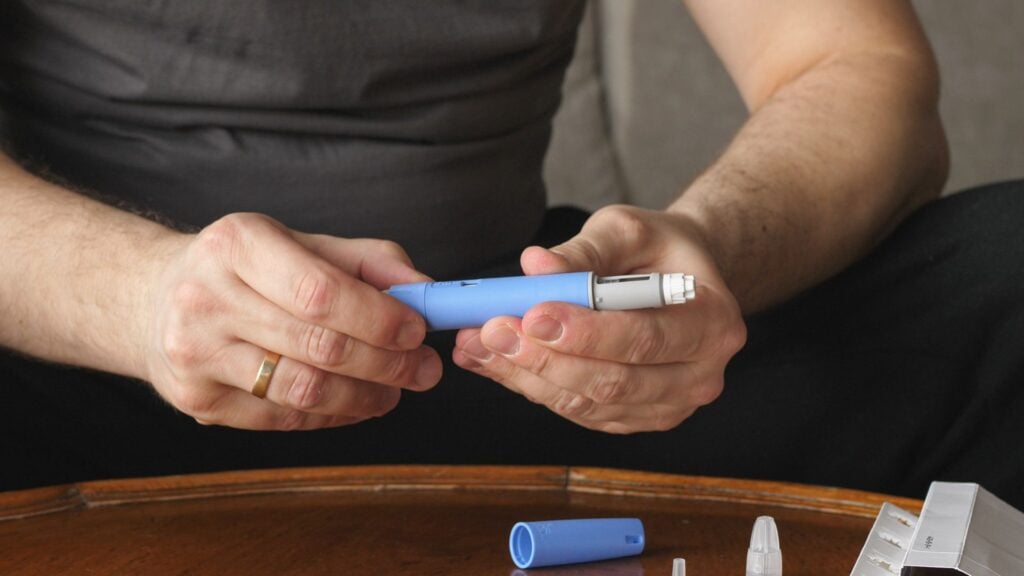
The World Health Organization (WHO) has recently released global guidelines recommending the use of GLP-1 therapies for the long-term treatment of obesity in adults. Importantly, the WHO emphasized that medication alone is not enough. Sustainable outcomes require ongoing support for behavioral and lifestyle changes.
NBHWC’s mission and vision align closely with the WHO guidelines, reinforced by four key pillars. Two pillars include:
-
- Facilitate the integration of health and wellness coaches into the healthcare team to foster a whole-person approach to care, and
-
- Promote access for individuals across diverse communities to work with National Board Certified Health and Wellness Coaches (NBC-HWC) as well as for professionals to complete quality coach training, certification, and continuing education.
As an organization, we consistently seek opportunities to elevate the field of health and wellness coaching and to engage in conversations that impact the National Board Certified Health & Wellness Coach (NBC-HWC) community.
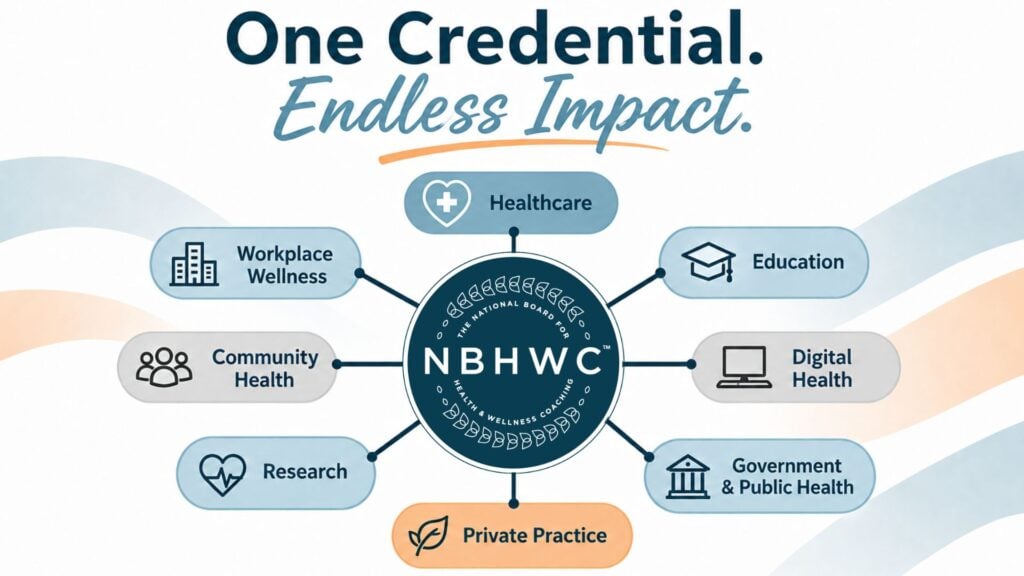
NBC-HWCs already work across diverse environments, from private practice to corporate wellness to clinical healthcare settings. One ongoing initiative NBHWC supports is reimbursement for coaching services within healthcare systems, which is often strengthened when coaches are included in clinical guidelines for chronic conditions. A recent example is the 2025 clinical practice guidance(https://pubmed.ncbi.nlm.nih.gov/40546761) published by the American College of Lifestyle Medicine (ACLM), NBHWC, and additional collaborators, outlining lifestyle-based treatment and management strategies for prediabetes and type 2 diabetes.
To bring this back to the new WHO guidelines on obesity, these recommendations create a meaningful opportunity for NBC-HWCs who work with clients navigating weight-related concerns. NBC-HWCs are behavior-change specialists trained to partner with individuals through the change process. They empower and support clients in building self-directed, lasting changes aligned with their personal values.
Because the WHO highlights the importance of behavioral and lifestyle support alongside medication, NBC-HWCs are uniquely positioned to provide that essential component. Coaches can help clients maximize clinical outcomes (such as weight loss and metabolic improvements), manage side effects, and develop sustainable habits that support long-term success.
NBC-HWCs should always operate within the Health and Wellness Coaching Scope of Practice:
Reference NBHWC Scope of Practice
-
- Coaches do not prescribe medications or provide medical advice.
-
- Coaching focuses on lifestyle, behavior change, emotional support, and habit formation; complementing, not replacing, medical treatment.
-
- Coaches may collaborate with licensed medical providers when clients are using pharmacotherapies.
-
- Earning the NBC-HWC credential ensures that coaches are practicing within established ethical guidelines, competency standards, and scope-of-practice boundaries. These guardrails allow coaches to work safely and effectively in integrated care models as well as directly with clients in private practice.
For more information on the effectiveness of Health and Wellness Coaching for obesity and other chronic conditions, we recommend reviewing the Compendium of Health and Wellness Coaching (https://www.liebertpub.com/doi/10.1089/jicm.2024.0672), published by NBHWC with a recent addendum. This resource summarizes more than 200 research articles and studies featuring health and wellness coaching across diabetes, obesity, cardiovascular conditions, cancer, general wellness, and more.